Selling new residential premises is generally a taxable sale: the seller is liable for GST on it and can claim GST credits for related purchases. Selling existing residential premises is input-taxed: no GST on the sale, and no GST credits for anything bought for it. Either way, GST applies to these sales only if the seller is registered or required to be registered for GST.
General informationThis sheet follows the ATO’s pages on residential premises and GST and residential property. It describes the rules; whether any one sale is taxable turns on its facts, and the ATO says a private ruling can settle, among other things, whether a renovation was substantial for GST.
First question: is it residential?
The ATO calls a property residential “if it is suitable for and capable of being occupied as a residence or for residential accommodation”: houses, units, flats and more, with shelter and basic living facilities. It is not limited to long stays and includes lodging, sleeping or overnight accommodation, and it does not include vacant land.
The test is the building, not its use. A property with the physical characteristics of a home stays residential when it is used for something else, and the ATO’s example is a house used as a business office. The reverse holds too: the ATO says a disused factory may not show the physical characteristics of a residential property, even if someone is living in it.
Commercial residential premises are their own class. The ATO lists hotels, motels and inns, hostels and boarding houses, and caravan parks and camping grounds, each “or similar”. A sale of new or existing commercial residential premises is generally a taxable sale.
Second question: is it new?
The ATO says residential premises are new when any of the following apply:
- “it has not previously been sold as residential premises”;
- “it has been created through substantial renovations”;
- “a new building replaces a demolished building on the same land”.
Newness also runs out. Following the ATO’s pages, a dwelling’s GST life can be drawn as a line with four stations:
- Built, never soldNew. A seller carrying on an enterprise accounts for GST on the sale and can claim credits for construction purchases.
- Rented outStill new if it has been rented for less than five years, or for more than five years while it was actively marketed for sale. Renting it out while planning to sell means adjusting part of the GST credits claimed.
- Five years onThe ATO’s residential premises page says premises are no longer new once five years have passed since they first became residential premises, were last substantially renovated, or were built to replace demolished premises. Its building page puts the rental case this way: premises rented out continuously for five years or more are not new, unless they were held for sale and rent at the same time.
- Sold after thatOnce premises are no longer new, the ATO says their sale after being rented out is input-taxed, and credits already claimed on their construction costs have to be reversed by adjustments.
Third question: is the seller in an enterprise?
Anyone selling a new residential property or potential residential land has to work out whether they are carrying on an enterprise, and the ATO says this may be the case even for a one-off transaction. Buying property, whether new or old, meaning to resell it at a profit or to develop it for sale, may count as carrying on a business and may require GST registration. The ATO’s exception is private dealing: constructing or selling a household’s own home is generally not carrying on a business.
The ATO’s hub page puts the registration point in two parts: registration may be needed if the turnover from property and other taxable transactions is more than the GST registration threshold, or if the activities are regarded as an enterprise. A seller who is not carrying on an enterprise for GST still has income tax obligations on the sale, including capital gains tax.
Credits for the cost of building
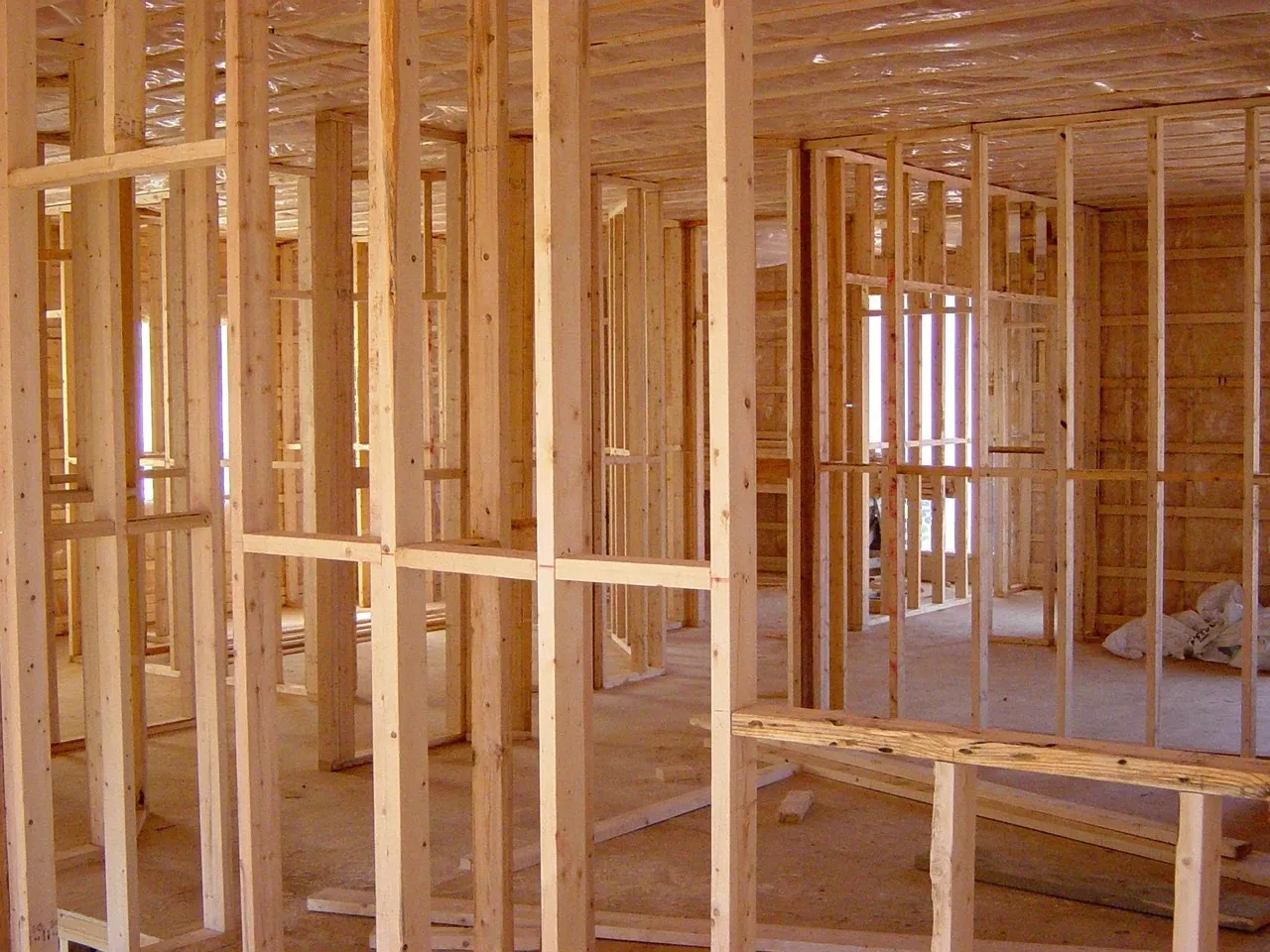
Someone who builds new residential premises for sale owes GST when they sell, and can generally claim GST credits for what they spend on building and on purchases connected with the sale, under the normal GST credit rules. The credits follow the purpose. The ATO explains the reversal for premises that are no longer new this way: there is no entitlement to GST credits for things bought to make input-taxed supplies.
That is why renting a finished dwelling while waiting to sell it matters. The ATO says the seller must show an intention to sell the premises, and that actively marketing them for sale is one way of showing it.
Off the plan, and build-to-rent
An off-the-plan purchase is a contract to buy new residential premises before construction is completed; at that stage the buyer is buying a contractual right to have them built. At settlement, the buyer is purchasing new residential property and the price includes GST. A buyer who sells that contractual right before settlement is not selling new residential premises, so GST applies if the sale is made in the course of their GST-registered business. The ATO adds that selling an off-the-plan property can amount to an enterprise by itself, and can count towards the seller’s turnover for the GST registration threshold.
Build-to-rent is, in the ATO’s words, a broad concept covering all premises built with the intention of renting or leasing, with different GST treatments for different types of premises. Rent from residential premises let for residential accommodation is input-taxed, while a lease of commercial residential premises is subject to GST, and one development can mix build-to-rent with build-to-sell. For a build-to-rent development whose treatment is unclear, the ATO recommends advice from a tax adviser or contacting the ATO.